
At 10:00 CET on 20 November, FLOP’s devnet recorded a cooperative compute settlement in block 4,179,314. The explorer marked the channel finalized and paid. Its model hash had been identified as Qwen3-8B in that morning’s registry snapshot: a concrete record at the accounting end of an inference session. The channel is public.
That gives FLOP’s next phase a useful starting point. The project is building a network where agents buy AI inference, miners supply the computation and validators maintain the chain and its verification machinery. Devnet lets those pieces be exercised. The planned testnet would begin counting eligible work toward the network’s future allocation.
As checked on 20 November, the official operator profile still calls testnet planned, with its next release unreleased. It provides no verified public genesis, chain specification, RPC, gateway or supported release. The timeline FAQ retains 24 November 2026, subject to readiness, as the target. Mainnet and the token generation event have no confirmed date there.
From a model listing to a served request
A model name can appear in several places before it tells us what a network has actually done. The public gateway catalog returned two entries in the 20 November snapshot: Qwen2.5-0.5B-Instruct and Qwen3-14B. Both were listed as text models using the vLLM inference backend and BF16 precision, a numerical format for their weights.
The catalog helps a client discover an offered route. The registry identifies a model on the chain. The Qwen3-8B-linked settlement records a completed accounting event. These observations can differ: Qwen3-8B was absent from that gateway snapshot. On the later production check, its registry entry still showed the same registered hash, but its descriptive metadata was temporarily unavailable. The name above therefore refers to the earlier observation.
For an agent, discovery is only the first step. FLOP’s integration guide separates wallet funds from permission to spend through the gateway. Admission also depends on the credential’s scope, the model and an eligible serving route. A catalog listing alone does not establish that a particular request can run.
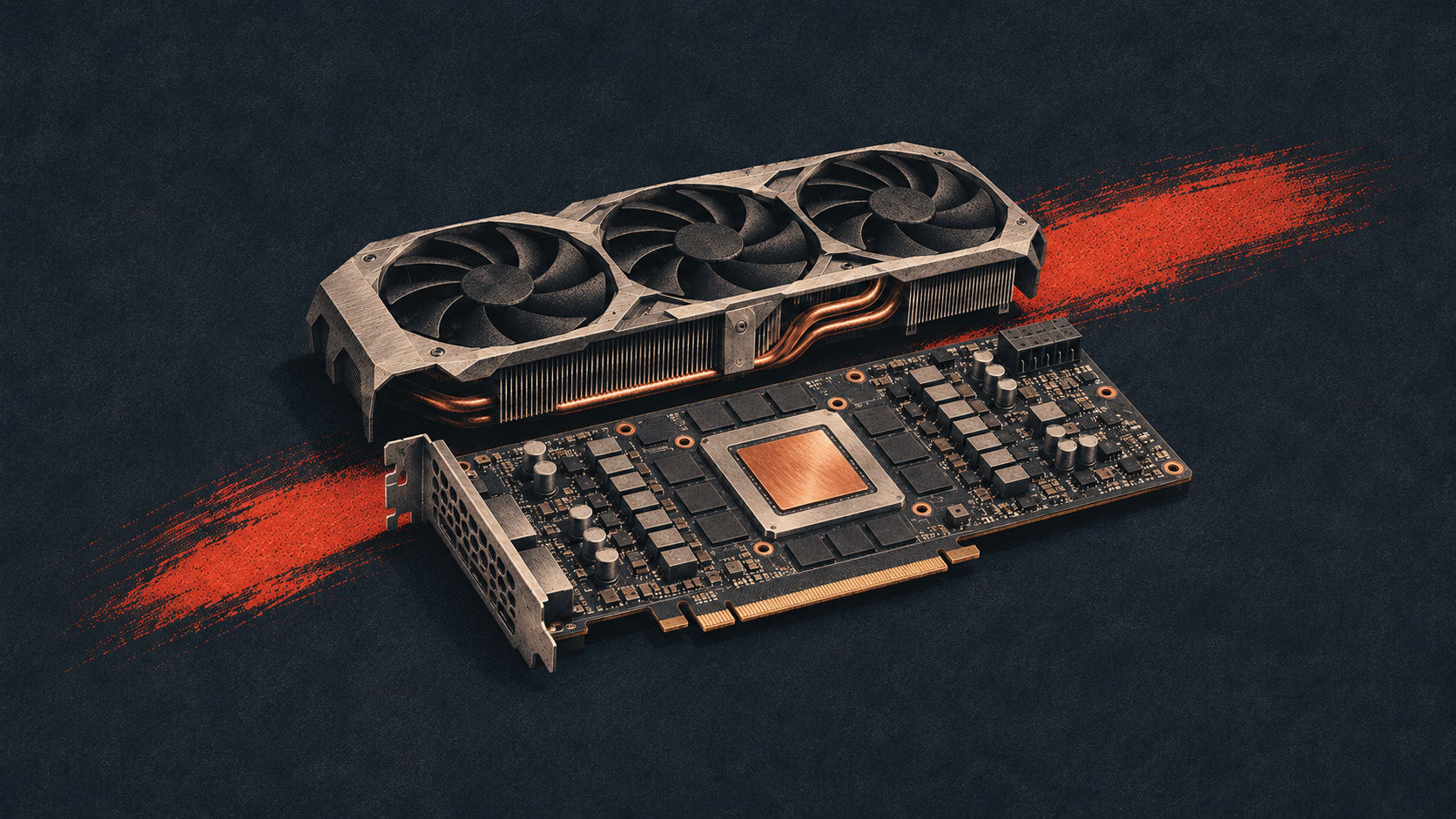
Model weights are the learned numerical parameters used to generate an answer. The GPU executes the computation using those weights. Keeping the two separate helps explain why registering a model or possessing a graphics card is only part of making inference available.
Three roles behind the same session
In FLOP’s session design, the agent is the buyer. It requests a particular model and bounds spending through limits and escrow. Here, “agent” describes a protocol role; it need not mean a chatbot acting without human oversight.
The miner runs the inference. FLOP’s documented devnet stack divides that job between a CPU worker, which handles sessions and chain operations, and a GPU backend using vLLM and TOPLOC. TOPLOC produces compact commitments to intermediate model activations: evidence intended to support checking the computation. The verification design combines those commitments with a signed transcript, sampling and disputes. Those are design and implementation claims that need their own checks beyond a settlement label.
The validator maintains the shared record. The operator manual describes block authoring through BABE, finality voting through AlephBFT and serving assigned data through a data-availability worker. That last role keeps required data accessible. The manual says this validator setup needs no GPU or trusted execution environment. It is a different workload from serving the model.
A working drill is specific to its hardware
The miner manual describes a serving drill using an NVIDIA A40 with Qwen2.5-0.5B-Instruct in BF16, with worker and backend on the same host. That is a useful reference configuration for understanding the stack. It does not identify the GPU behind the Qwen3-8B channel.
Other hardware still has to fit the selected model, run the supported backend, capture the required evidence and pass calibration for its actual configuration. Calibration measures delivered work across the host. GPU inventory and the number of serving ranks are separate settings; attaching more cards does not automatically make a model use them all.
This is why a broad GPU comparison needs more than memory sizes. The checkpoint, numerical precision, serving configuration and proof requirements all affect whether a particular setup qualifies. The first practical question is which model and supported path a machine can complete.
What the settlement leaves behind

The example channel reports 595,461 aggregate Gₙ, FLOP’s calibrated compute accounting measure. It also carries WITNESS_ONLY as its proof label. Those details belong alongside “paid” and “finalized”: they describe the recorded test event without turning it into a claim that every verification and dispute path has been demonstrated.
Its GPU field is blank. We did not establish the origin of the traffic, inspect the generated answer or measure demand. Devnet FLOP has no monetary value, so the payment label is accounting evidence within the rehearsal. It does not establish revenue from a commercial customer. The gateway snapshot likewise supplied no observed throughput, latency or quality measurements.
When the rehearsal starts to count
The intended change on testnet is that eligible work begins to matter for future allocation. The draft testnet plan describes miners delivering verified computation, agents making eligible settled purchases and validators being assessed on performance. It calls for a finalized snapshot and a review of allocations before genesis. Those rules remain provisional.
The current FAQ names uptime, block production, accuracy, latency and geographic spread among validator scoring criteria; detailed weights were still unpublished when checked. Devnet activity has no airdrop weight. The optional interest forms provide setup information and do not allocate a seat. A successful rehearsal can help an operator prepare, but scoring starts only with the actual testnet.
BitCtrl has prepared a FLOP devnet validator host and filed a public access request. The request was published on 16 November and remained open with no comments at this review. BitCtrl also says it submitted interest for both devnet and testnet. That is a statement of interest and preparation; active validator duties and testnet admission have not been established.
The next reportable milestone is the published testnet identity and supported release, followed by eligible work recorded on that network. Until then, the devnet channel gives us a specific result to examine, and the launch documents tell us what still has to change.
- A finalized devnet settlement links to the hash identified as Qwen3-8B in the morning snapshot; it does not identify a GPU.
- Catalog discovery, model registration and settlement describe different parts of an inference service.
- Testnet remains planned for 24 November, subject to readiness; devnet work has no airdrop weight.
- BitCtrl has prepared a devnet validator host and requested access; reported interest does not establish activation.